Published October 21, 2026
Moving to Charlotte? What Homebuyers Should Know About Wells and Septic Systems

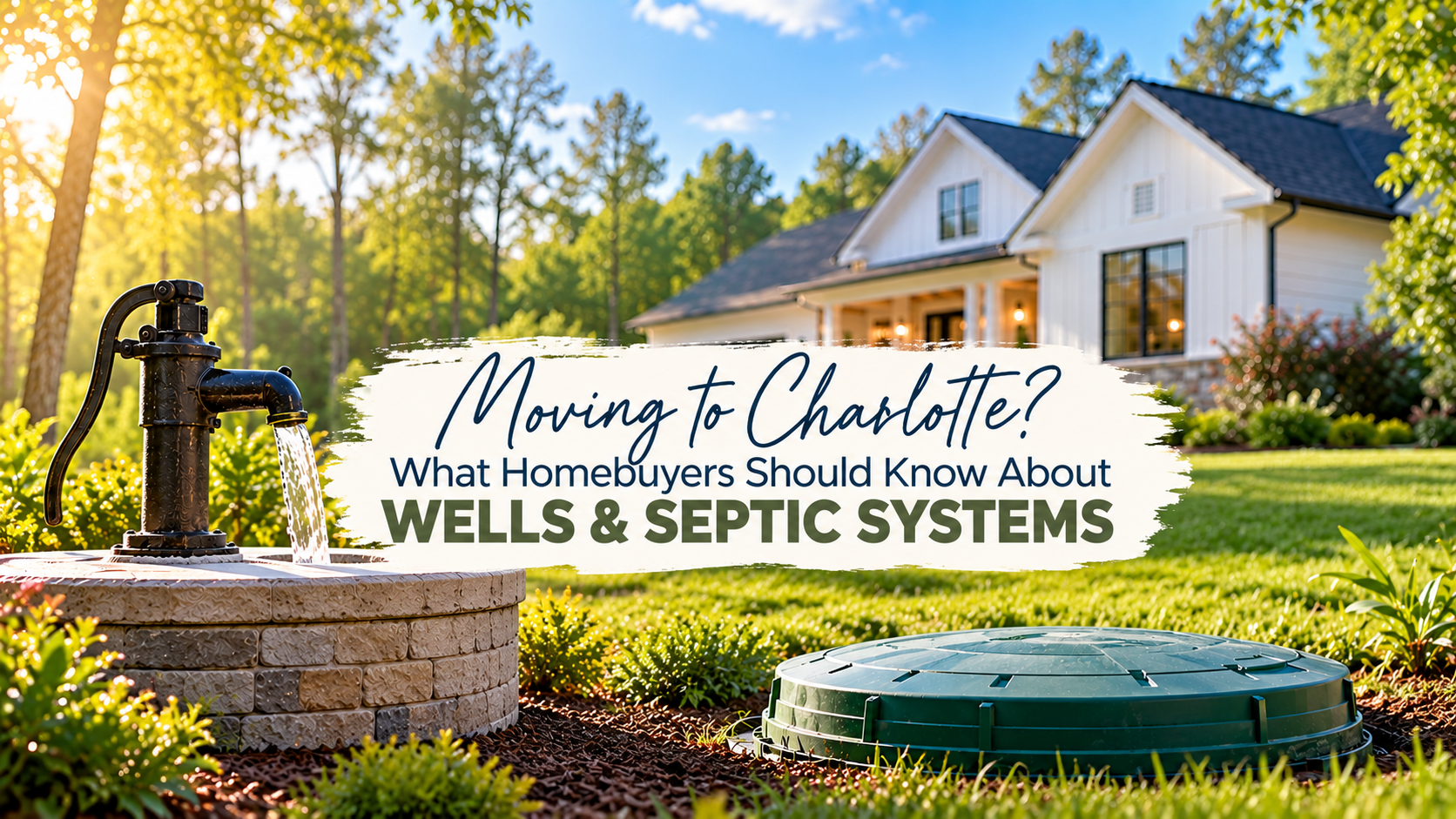
Moving to Charlotte, North Carolina, is an exciting opportunity for families and professionals looking for more space, a new lifestyle, and a place to call home. Whether you're considering Kannapolis, Concord, Harrisburg, or other communities in Cabarrus County, understanding the differences between properties can help you make a confident decision.
One thing that surprises some relocation buyers, especially those moving from larger cities like New York or Boston, is that not every home connects to municipal water and sewer systems.
Some properties rely on private wells for water and septic systems for wastewater management. While these systems are common in rural and semi-rural areas, they come with maintenance responsibilities buyers should understand before closing.
Here's what you need to know before purchasing a home with a well or septic system in the Charlotte region.
Understanding Private Wells and Septic Systems
A private well supplies water directly from an underground source, while a septic system treats and manages household wastewater on the property.
Unlike municipal utilities, where a local provider maintains much of the infrastructure, homeowners with private systems are generally responsible for inspections, testing, maintenance, and repairs.
For buyers exploring homes for sale in Kannapolis, Concord, and surrounding Cabarrus County communities, knowing which utilities serve a property is an important part of the home search.
What to Know About Private Wells Before Buying
A private well can provide a dependable water supply when properly constructed, tested, and maintained. However, well water is not routinely monitored by a municipal water provider.
Schedule a professional well inspection. Before purchasing, ask a qualified professional to evaluate the well's condition, casing, pump, pressure system, and visible components.
Test the water quality. The CDC recommends testing private well water at least annually for total coliform bacteria, nitrates, total dissolved solids, and pH. Additional testing may be appropriate depending on local conditions.
Protect the well area. Keep chemicals, fertilizers, fuel, and other potential contaminants away from the wellhead. Proper drainage and protective covers also help reduce contamination risks.
Review maintenance records. Ask the seller about the well's age, previous repairs, water testing results, and any known performance issues.
These steps can help buyers better understand the condition of the water system before making a long-term investment.
Septic Systems: What Relocation Buyers Should Expect
A septic system collects and treats wastewater from sinks, showers, toilets, and other household plumbing.
When maintained correctly, septic systems can function reliably for many years. Neglecting maintenance, however, can lead to expensive repairs and potential environmental concerns.
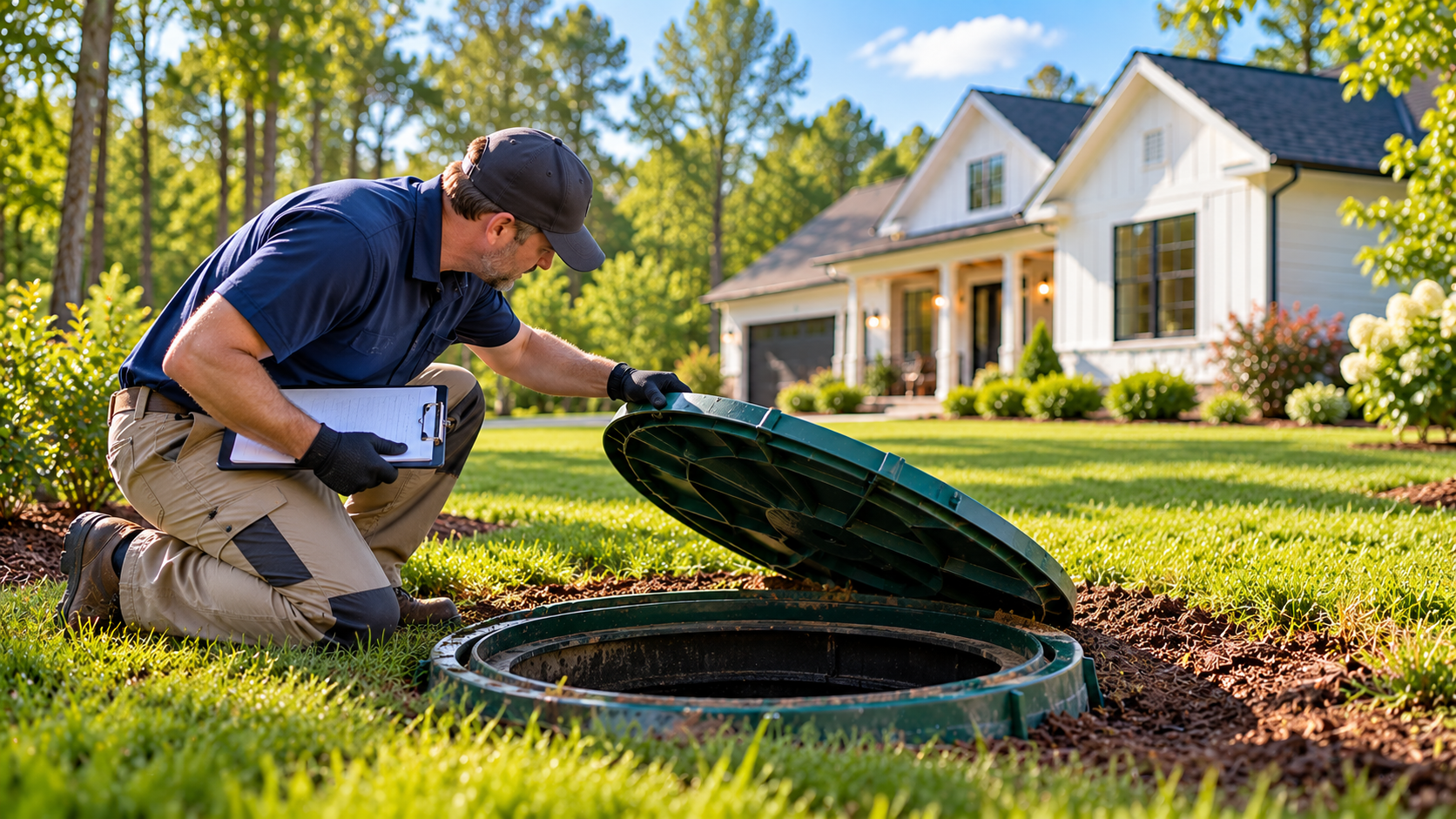
Get a septic inspection. A standard home inspection may not include a comprehensive septic evaluation. Arrange for a qualified professional to assess the system before closing.
Understand pumping requirements. The EPA generally recommends septic inspections every one to three years and pumping every three to five years, depending on household size, tank capacity, and usage.
Watch for warning signs. Slow drains, sewage odors, standing water near the drainfield, and unusually lush grass over the system may indicate problems.
Practice proper maintenance. Avoid flushing wipes, grease, harsh chemicals, or other materials that can damage the system. Conserve water and avoid driving or building over the drainfield.
For families relocating to Charlotte suburbs, understanding these responsibilities helps prevent unexpected maintenance costs.
Private Systems vs. Municipal Utilities
Neither option is automatically better. The right choice depends on the property's condition, your budget, and your comfort with maintenance responsibilities.
Your Well and Septic Checklist Before Closing
If you're buying a home in North Carolina with private systems, make sure to:
- Confirm whether the property uses private or municipal utilities.
- Request available well and septic permits and maintenance records.
- Arrange independent well and septic inspections.
- Test well water through an appropriate laboratory.
- Ask about septic tank location, capacity, and pumping history.
- Understand possible repair costs and ongoing maintenance.
- Review findings with your real estate agent before closing.
Frequently Asked Questions
Is it safe to buy a home with a well and septic system in North Carolina?
Yes. Many homes use these systems successfully. Professional inspections, appropriate water testing, and regular maintenance are essential.
Do I need separate well and septic inspections?
Generally, yes. Standard home inspections may not fully evaluate private water and wastewater systems, so specialized inspections are recommended.
How often should a septic tank be pumped?
Typically every three to five years, although the appropriate schedule depends on the system and household usage.
Are private wells common in Cabarrus County?
Private wells serve some rural and semi-rural properties. Availability varies by neighborhood and individual property, so buyers should verify utility connections before purchasing.
Helpful Links for North Carolina Homebuyers
Before purchasing a home with a private well or septic system, explore these trusted resources for additional guidance:
- U.S. Environmental Protection Agency – Septic System Information — Learn about septic inspections, pumping schedules, proper maintenance, and common warning signs.
- Centers for Disease Control and Prevention – Private Wells — Find recommendations for testing private well water and protecting your household's drinking water.
- Cabarrus Health Alliance – Environmental Health — Access local environmental health information, including resources related to private wells and septic systems.
- Cabarrus Health Alliance – Onsite Wastewater — Learn about septic permits, soil evaluations, inspections, and local wastewater regulations.
More Homebuying Resources from The Ogburn Group
Buying a home in the Charlotte area involves more than choosing the right neighborhood. From property inspections to understanding North Carolina's buying process, these resources can help you prepare for a successful move.
- 10 Red Flags to Watch for When Buying a Home in Cabarrus County, NC — Learn how to recognize potential property issues before closing.
- NC Due Diligence Fee Explained: A First-Time Buyer's Guide — Understand the due diligence period and why scheduling inspections early matters.
- Looking for Space? Cabarrus County and North Charlotte Neighborhoods — Explore neighborhoods with larger lots and established homes.
- Navigating HOAs in North Carolina: What Relocating Buyers Need to Know — Understand community rules, fees, and responsibilities before purchasing.
- Upsizing Like a Pro: 5 Smart Tips for Buying Your Second Home — Helpful advice for families relocating to Charlotte who want more space.
For more local real estate advice, explore The Ogburn Group Real Estate Blog.
Find Your Next Home With Confidence
Relocating to the Charlotte area involves more than choosing the perfect floor plan or neighborhood. Understanding a home's infrastructure is equally important.
Whether you're moving to Concord, exploring the Harrisburg lifestyle, or searching for homes in Kannapolis, having knowledgeable local guidance can make the process easier.
At The Ogburn Group, Tim and Rochelle help buyers navigate the Charlotte-area real estate market, ask the right questions, and make informed decisions throughout their home search.
Planning a move to Charlotte or Cabarrus County?
Connect with The Ogburn Group to schedule your Holiday Homebuyer Strategy Session and start exploring your options with confidence.